
Brain Health and Nutrition: Foods That Boost Cognitive Function
March is recognized as National Nutrition Month, making it the perfect time to explore how nutrition impacts brain health. The brain consumes roughly 20% of the body’s energy, meaning the foods we eat directly affect memory, concentration, mood, and long-term neurological health.
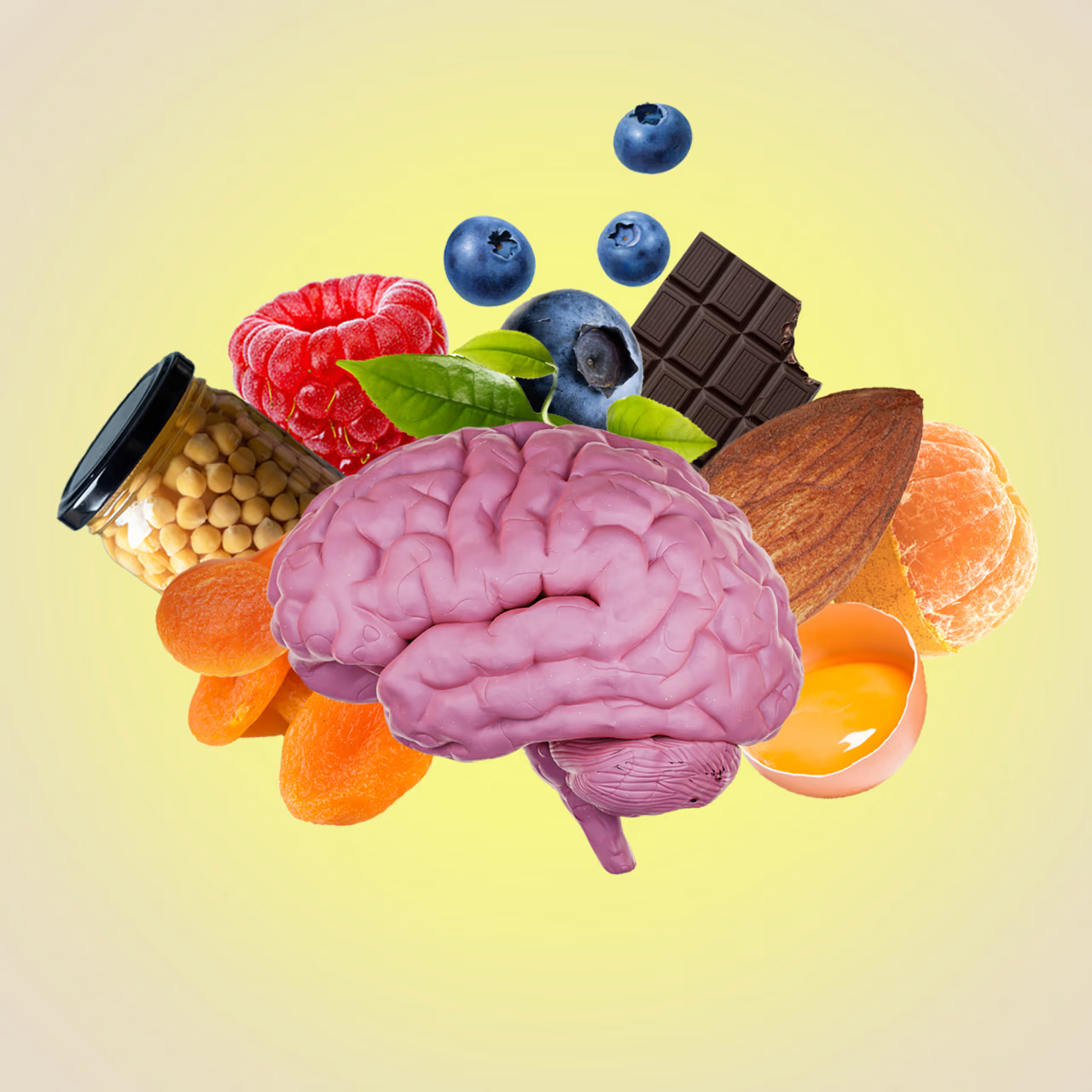
How Nutrition Impacts the Brain
The brain requires a constant supply of nutrients to produce neurotransmitters, maintain neural connections, and protect against inflammation. Poor nutrition can contribute to:
-
Brain fog
-
Memory decline
-
Mood disorders
-
Increased risk of neurodegenerative diseases
A nutrient-dense diet supports neuroplasticity — the brain’s ability to adapt, grow, and repair itself.
Top Brain-Boosting Foods
1. Fatty Fish
Rich in omega-3 fatty acids that support neuron structure and cognitive function.
Examples include salmon, sardines, and mackerel.
2. Leafy Greens
Spinach, kale, and collards provide vitamin K, folate, and antioxidants that help slow cognitive decline.
3. Berries
Blueberries and strawberries contain flavonoids that improve memory and delay brain aging.
4. Nuts and Seeds
Walnuts, flaxseeds, and chia seeds contain healthy fats and vitamin E, which protect neurons.
5. Whole Grains
Oats, quinoa, and brown rice provide steady glucose for consistent mental energy.
Nutrients the Brain Needs Most
Key nutrients that support optimal cognitive function include:
-
Omega-3 fatty acids
-
B vitamins
-
Magnesium
-
Vitamin D
-
Antioxidants
Deficiencies in these nutrients can negatively affect focus, mood, and memory.
Lifestyle Tips for Brain-Healthy Eating
-
Eat balanced meals every 3–4 hours
-
Stay hydrated throughout the day
-
Reduce ultra-processed foods
-
Incorporate colorful fruits and vegetables daily
Conclusion
Nutrition is one of the most powerful tools for maintaining cognitive health. Small dietary changes can significantly improve brain performance, mental clarity, and long-term neurological wellness.
